
The Quisling Threat
World War ZThis flow traces the emergence of human imitators who blur the boundary between psychological collapse and undead infection.
increasing Bearing strength in each event
 decreasing
Bearing strength in each eventdecreasingFalse Immunity
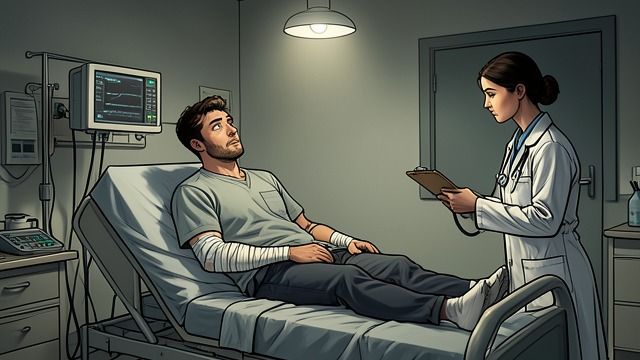
False Immunity
Survival
Some people survive bites because they are not infected but psychologically altered.
Misreading
Witnesses interpret their survival as proof that drugs or immunity work.
Confusion
The mistaken cases reinforce the Great Denial.
The First Mimic
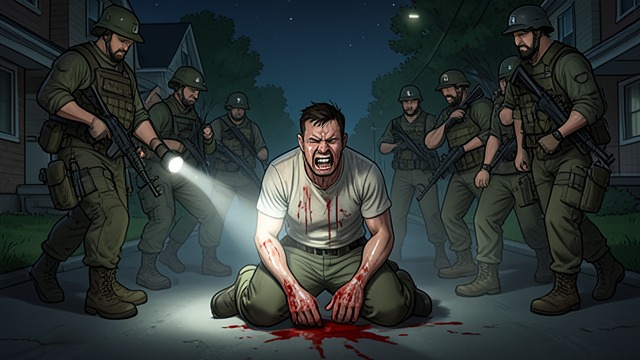
The First Mimic
Encounter
Neighborhood Security Teams find a living man moving and attacking like a zombie.
Test
His blood and body temperature prove that he is not reanimated.
Problem
The living can imitate the dead closely enough to defeat ordinary identification.
Capture Policy
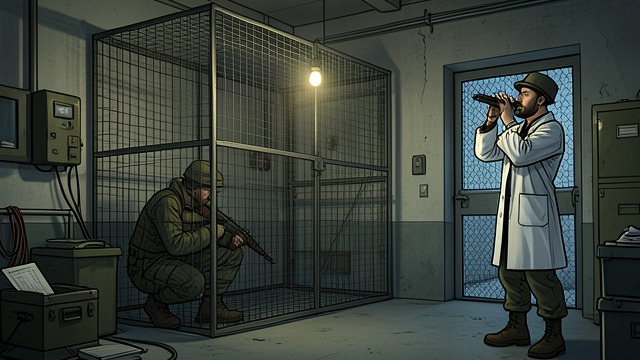
Capture Policy
Orders
Authorities instruct patrols to capture Quislings when possible rather than kill them.
Debate
Medical care, confinement, and public safety become competing obligations.
Unease
No institution can fully explain whether the condition is illness, choice, or surrender.
Undead Recognition
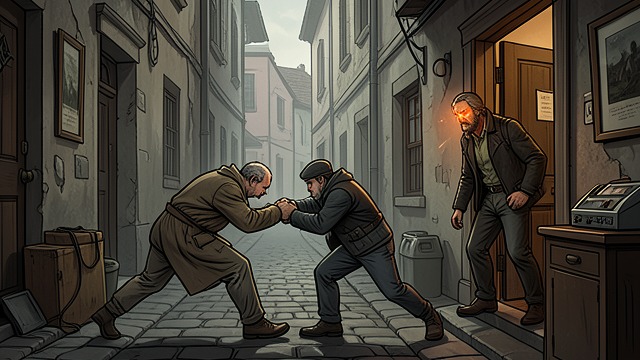
Undead Recognition
Misunderstanding
Observers mistake clashes between zombies as evidence of undead infighting.
Truth
The victims are Quislings, whom the true undead recognize as living prey.
Horror
Imitation offers no protection; surrender to the enemy produces only a slower death.
Moral Boundary
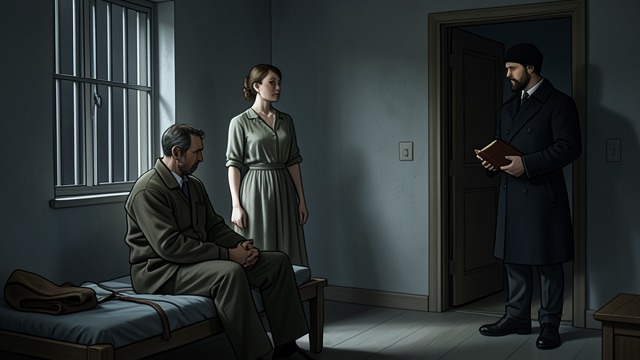
Moral Boundary
Survivors
Some Quislings are rehabilitated, while others remain confined or feared.
Argument
The society debates whether a person who chose imitation remains morally accountable.
Legacy
The condition exposes the limits of treating trauma as either crime or disease.
early American outbreaks
early neighborhood patrols
during the safe-zone consolidation
during the continental offensive
postwar legal debates
